
It’s happened to all of us at least once or twice: we eat an amazing meal—even a healthy one—but still get tummy gurgles less than an hour later. Why does this happen? Often, it’s because we’ve combined foods that don’t digest well together. In this updated article, learn how to combine foods in your meals to make digestion easy and painless.
4 minutes
What is food combining?
Food combining is the practice of eating certain foods together—and avoiding others—to optimize digestion. Fruits, proteins, and starches digest at different rates and require different digestive environments. For instance, proteins need acidic conditions, while carbohydrates require alkaline ones. Mixing them can cause digestive discomfort, including gas, bloating, indigestion, and even long-term issues like weight gain or accelerated aging. Timing also matters: when you eat certain foods during the day can affect how well you digest them.
Basic principles of food combining
Here are some foundational food combining rules to get started:
- Avoid Combining Starches and Proteins
- Proteins (like meat, eggs, or beans) require an acidic environment to digest, while starches (like potatoes, rice, or bread) need alkaline. Eating them together can slow digestion and cause discomfort.
- Proteins (like meat, eggs, or beans) require an acidic environment to digest, while starches (like potatoes, rice, or bread) need alkaline. Eating them together can slow digestion and cause discomfort.
- Eat Fruits Alone and Before Meals
- Fruits digest quickly. Eating them with or after heavier foods can lead to fermentation and bloating. Enjoy fruit on an empty stomach or at least 30 minutes before a meal.
- Fruits digest quickly. Eating them with or after heavier foods can lead to fermentation and bloating. Enjoy fruit on an empty stomach or at least 30 minutes before a meal.
- Go Easy on Fats and Oils
- Heavy fats can slow digestion, so use them sparingly, especially in meals with proteins or starches.
- Heavy fats can slow digestion, so use them sparingly, especially in meals with proteins or starches.
- Start Meals with a Raw Salad
- Raw vegetables provide enzymes that aid in breaking down your main meal.
- Raw vegetables provide enzymes that aid in breaking down your main meal.
- If You Indulge, Do It at Day’s End
- If you plan to “cheat” or have a heavy or improper food combination, save it for later in the day when your body has already processed lighter foods.
- If you plan to “cheat” or have a heavy or improper food combination, save it for later in the day when your body has already processed lighter foods.
- Support Digestion with Probiotics, Enzymes, and Warm Lemon Water
- These can help your digestive system recover after heavy or improper meals.
- These can help your digestive system recover after heavy or improper meals.
- Don’t Drink Cold Water with Meals
- Cold water can slow digestion. Opt for room temperature or warm beverages instead.
- Cold water can slow digestion. Opt for room temperature or warm beverages instead.
- Exercise, Circulation, and Sun Exposure Matter
- Food combining isn’t the only answer. Physical activity and time outdoors also support healthy digestion.
Why proper food combining matters
Improper combinations, like eating steak with mashed potatoes, mean your body is trying to create both acidic and alkaline environments at once—something it can’t do efficiently. This leads to partially digested food, fermentation, and the dreaded symptoms of indigestion.
Practical food combining tips
- Wait Between Meals: If you eat a protein-rich meal, wait at least three hours before consuming starches.
- Choose the Right Carbs: Sprouted or fermented carbs are best for digestion, but if you eat white rice, pair it with veggies, not protein.
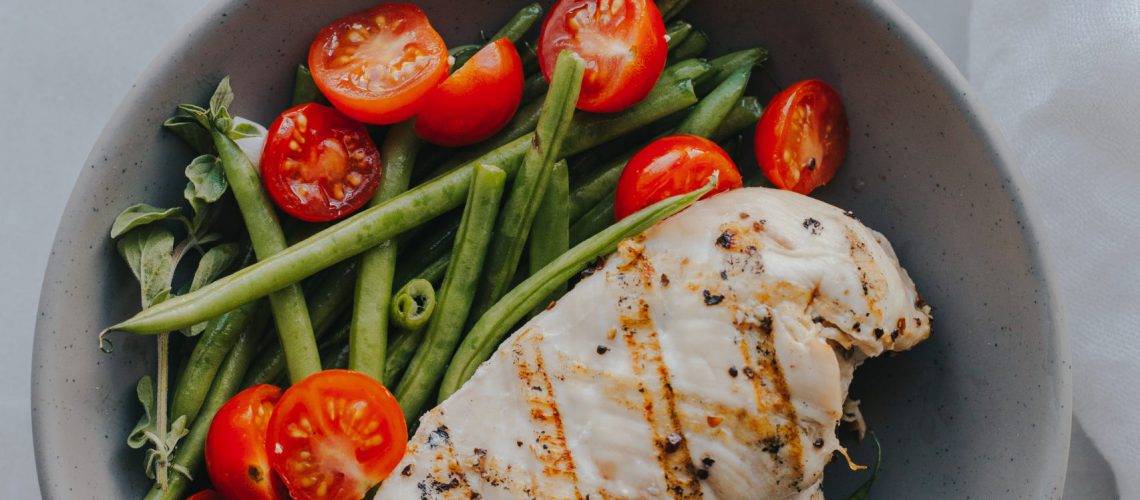
- Pair Proteins with Non-Starchy Vegetables: Think grilled chicken with sautéed spinach or steak with broccoli.
A note about fruits
Fruit is nutrient-rich and easy to digest, but only when eaten alone. If you have a history of yeast or candida issues, avoid sweet fruits and opt for low-sugar green juices. For everyone else, starting your day with fruit gives you an alkaline boost and digestive enzymes for the rest of the day. Acidic fruits (like berries, apples, and citrus) can sometimes work in smoothies, but skip bananas or sweet fruit with grains or dairy.
Structure meals from light to heavy
Eat lightest to heaviest throughout the day: fresh juice or fruit for breakfast, salads before lunches and dinners, and heavier meals later. Never end a meal with fruit—doing so causes the fruit to ferment atop slower-digesting foods, leading to bloating or acid reflux.
A handy food combining guide
- Proteins: Pair with non-starchy vegetables (e.g., chicken + broccoli)
- Starches: Pair with non-starchy vegetables (e.g., rice + leafy greens)
- Fruits: Eat alone, preferably in the morning
- Fats: Use moderately with either proteins or starches, but avoid heavy mixes
Conclusion
Food combining is a powerful way to improve digestion, maximize nutrient absorption, and boost your overall well-being. Give it a try, listen to your body, and adjust as needed. Share your experiences and help others discover the benefits of mindful food pairing!